For almost 40 years the Seniors Blue Book has been the trusted source for all things Senior. Whether you are a Senior or Caregiver looking for information or a Service Provider looking to connect with Seniors and other local Professionals, you have found the right place. Contact Us directly for any questions you may have. Enjoy!

Browse through the most recent copy of your local SBB!
Click to view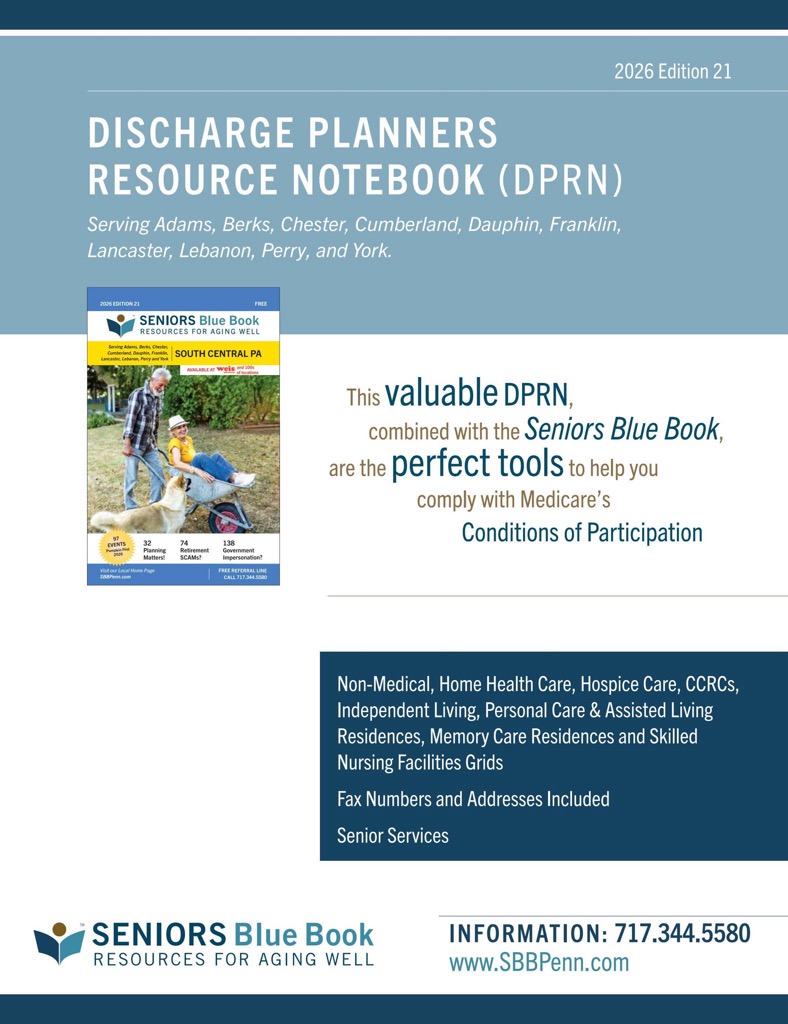
Browse through the most recent copy of your local DPRN!
Click to view
.png)
.png)

Nov 10, 2026 06:30 PM - 07:30 PM
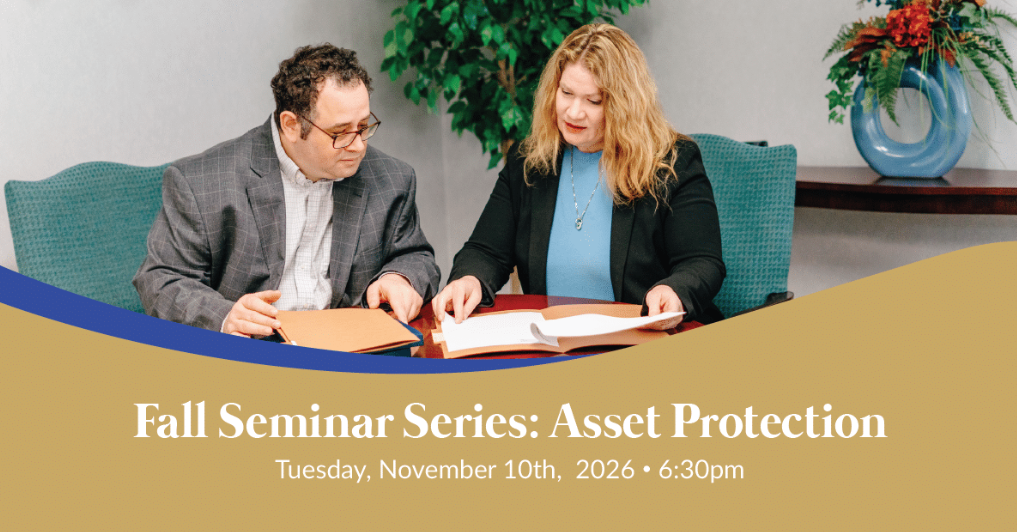
Join us November 10th, 2026 at 6:30 pm at the Wyomissing Library Community Room for a free seminar covering asset protection andlong-term care.Russell E. Farbiarz, Esq. and Alexa S. Antanavage, Esq. will be discussing the real costs of long-term care, the differences betweenMedicare vs. Medicaid, how to protect your home and savings, and much more. This seminar is free, but spaces are limited. Register today.Click to Register OnlineOrCall our Office to Register at 610-562-2000
Nov 02, 2026 06:30 PM - 07:30 PM
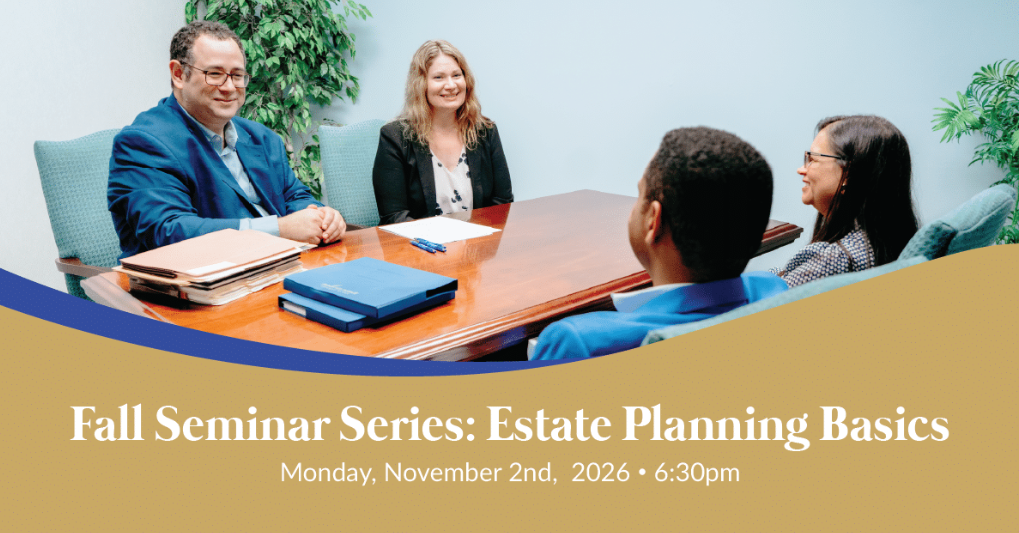
Join us November 2nd, 2026 at 6:30 pm at the Wyomissing Library Community Room for a free seminar covering estate planning basics.Russell E. Farbiarz, Esq. and Alexa S. Antanavage, Esq. will be reviewing the documents that protect you, what happens to Pennsylvanianswithout an estate plan, the difference between probates and trusts, and how Pennsylvanias taxes factor in.This seminar is free, but spaces are limited. Register today.Click to Register OnlineorCall our Office to Register at 610-562-2000
Oct 01, 2026 09:30 AM - 11:30 AM
According to the CDC, one in four Americans 65 years of age and older will fall each year. Falls, whether they occur with an injury or not, have a large impact on quality of life. A growing number of older adults fear falling and choose to limit their social lives and activities. This can cause declines in physical ability, mental health, and independence.A Matter of Balance is a free evidenced-based program offered through WellSpan. It has been shown to decrease the fear of falling and increase activity levels which helps to reduce the risk of falling. It consists of 8 two-hour courses with a trained coach and 8-12 participants. In the class participants will learn that falls are not a part of the aging process, create reasonable goals to increase activity, and lessen fall risk factors. After completing Matter of Balance participants report improved confidence in activities and their strength, as well as fewer falls.Individuals Who Could Benefit:Those with a fear of fallingHave a history of fallsWould like to increase activityNeed to improve balance and strengthAge 60 years or older, able to walk, and can problem-solve
The Alzheimer's Association provides vital services and support to those individuals struggling with the disease, their families and caregivers.The Greater Pennsylvania Chapter serves 59 counties in western, central and northeastern Pennsylvania through our four offices.
Messiah Lifeways is a nonprofit, faith-based 62+ senior living organization in Mechanicsburg, PA, serving older adults throughout south central Pennsylvania for more than 130 years. Guided by its mission to serve older adults with Christ-like love, Messiah Lifeways provides high-quality retirement living, senior care, and aging services that help individuals live with purpose, dignity, and peace of mind.As a continuing care retirement community (CCRC), Messiah Lifeways offers a full continuum of services, including independent living, personal care, memory care, skilled nursing, rehabilitation, home care, adult day services, and home and community-based services. Residents and clients receive compassionate, personalized care designed to meet their needs throughout lifes journey.Messiah Lifeways offers two vibrant senior living communities in south central Pennsylvania: Messiah Village in Mechanicsburg, PA, and Fernecrest in New Cumberland, PA. Both communities provide maintenance-free retirement living, access to wellness programs, lifelong learning opportunities, on-campus dining, modern amenities, and the confidence of access to comprehensive care through Messiah Lifeways. Messiah Lifeways newest campus, Fernecrest, offers a new approach to 62+ retirement living with thoughtfully designed cottages and apartments, beautiful natural surroundings, and opportunities for connection, engagement, and an active lifestyle.As a nonprofit organization rooted in Christian values, Messiah Lifeways is dedicated to serving older adults with compassionate care and support. Through meaningful relationships, innovative services, and a commitment to excellence, Messiah Lifeways creates communities where individuals can continue to grow, connect, and live fulfilling lives with purpose.
Messiah Lifeways is a nonprofit, faith-based 62+ senior living organization in Mechanicsburg, PA, serving older adults throughout south central Pennsylvania for more than 130 years. Guided by its mission to serve older adults with Christ-like love, Messiah Lifeways provides high-quality retirement living, senior care, and aging services that help individuals live with purpose, dignity, and peace of mind.As a continuing care retirement community (CCRC), Messiah Lifeways offers a full continuum of services, including independent living, personal care, memory care, skilled nursing, rehabilitation, home care, adult day services, and home and community-based services. Residents and clients receive compassionate, personalized care designed to meet their needs throughout lifes journey.Messiah Lifeways offers two vibrant senior living communities in south central Pennsylvania: Messiah Village in Mechanicsburg, PA, and Fernecrest in New Cumberland, PA. Both communities provide maintenance-free retirement living, access to wellness programs, lifelong learning opportunities, on-campus dining, modern amenities, and the confidence of access to comprehensive care through Messiah Lifeways. Messiah Lifeways newest campus, Fernecrest, offers a new approach to 62+ retirement living with thoughtfully designed cottages and apartments, beautiful natural surroundings, and opportunities for connection, engagement, and an active lifestyle.As a nonprofit organization rooted in Christian values, Messiah Lifeways is dedicated to serving older adults with compassionate care and support. Through meaningful relationships, innovative services, and a commitment to excellence, Messiah Lifeways creates communities where individuals can continue to grow, connect, and live fulfilling lives with purpose.
Senior Commons at Powder Mill is a warm welcoming retirement community offering Independent Living, Personal Care and Memory Care. Senior Commons provides personalized care in a safe and homelike environment, with services including meals, housekeeping and transportation, as well as a variety of events and activities to encourage socialization and wellness.
Receiving unexpected messages about a financial opportunity can sometimes sound exciting, especially when the message claims that a person may be entitled to an inheritance. Unfortunately, many of these messages are not legitimate. Fraudulent schemes related to inheritances have become increasingly common, and learning how they work can help people avoid unnecessary risks. Understanding inheritance scams is an important step in protecting both personal information and financial security.These types of scams often appear through emails, phone calls, social media messages, or letters claiming that someone has been named in a will or estate. While legitimate inheritances do occur, the process usually follows clear legal procedures. When someone understands how inheritance scams operate, it becomes easier to recognize warning signs and respond cautiously.What Are Inheritance Scams?Inheritance scams are fraudulent schemes in which someone claims that the recipient is entitled to money or property from an estate. The message may say that a distant relative, wealthy individual, or unknown benefactor left funds that are waiting to be claimed.In most cases, inheritance scams attempt to convince individuals to provide personal information or send payment for supposed legal or administrative fees. Once money or information is provided, the scammer often disappears, leaving the victim without the promised inheritance.Understanding the structure of these scams helps people recognize when something may not be legitimate.Why These Scams Are IncreasingTechnology has made communication easier, but it has also created opportunities for fraudulent messages to reach large numbers of people quickly. Email, messaging platforms, and social media allow scammers to send thousands of messages in hopes that someone will respond.Because inheritance scams often involve emotional or financial promises, they can appear convincing at first glance. Learning how scammers approach potential victims helps people identify suspicious messages before any information is shared.Common Ways Scammers Contact PeopleFraudulent inheritance claims can appear in several forms. One of the most common methods is email. The message may appear to come from a lawyer, bank representative, or estate administrator.Some inheritance scams involve phone calls or text messages claiming that urgent action is needed to secure funds. Others appear as letters that look official but contain vague details about the inheritance.Scammers may also use social media platforms to contact individuals directly. Regardless of the format, the goal is often the same, convincing the recipient to respond and provide information.Warning Signs to Watch ForRecognizing warning signs is one of the best ways to avoid inheritance scams. While each message may appear slightly different, certain patterns often appear in fraudulent communications. Messages about inheritances from unknown individuals Requests for personal or financial information Claims that immediate action is required Requests for payment to process the inheritance Poorly written messages or inconsistent details These red flags often appear together in inheritance scams, making it easier to identify suspicious communications when you know what to look for.Requests for Fees or PaymentsOne of the most common tactics in inheritance scams involves requests for payment. The message may claim that a small fee is required to process legal paperwork, transfer funds, or pay taxes on the inheritance.In legitimate estate matters, beneficiaries are not typically asked to send money to strangers in order to receive their inheritance. Requests for payment are a strong indicator that the message may not be legitimate.Understanding this tactic can help individuals avoid sending funds in response to fraudulent requests.Requests for Personal InformationAnother strategy used in inheritance scams involves asking for personal information. This may include full names, addresses, identification numbers, or banking details.Providing this information can allow scammers to commit identity theft or other forms of fraud. Protecting personal information is essential, especially when the source of a request is uncertain.Taking time to verify communications before sharing any details can help prevent these situations.How Legitimate Inheritance Notifications WorkReal inheritance matters usually follow formal legal procedures. When someone is named as a beneficiary in an estate, they are typically contacted through official channels such as probate court notifications or verified legal correspondence.Unlike inheritance scams, legitimate estate notices usually provide clear documentation and verifiable contact information. The process may involve attorneys, estate administrators, or courts overseeing the distribution of assets.Understanding how legitimate notifications work helps people recognize the difference between genuine communications and fraudulent messages.Steps to Take if You Receive a Suspicious MessageIf you receive a message claiming that you are entitled to an inheritance, taking a cautious approach is wise. Avoid responding immediately, especially if the message requests payment or personal information.Instead, take time to research the claim and verify the source. Many inheritance scams rely on urgency to pressure recipients into responding quickly.By slowing down and reviewing the details carefully, individuals can avoid becoming involved in fraudulent situations.How Families Can Protect Loved OnesOlder adults are sometimes targeted by inheritance scams because scammers believe they may be more trusting of unexpected financial opportunities. Families can play an important role in helping loved ones stay informed.Encouraging open conversations about suspicious messages and sharing information about common scams can help prevent misunderstandings. When families discuss these topics openly, it becomes easier to recognize questionable communications.Education and awareness are powerful tools in preventing fraud.The Importance of Staying InformedFraudulent schemes evolve over time, which makes ongoing awareness important. Staying informed about common tactics helps individuals recognize suspicious messages quickly.Understanding how inheritance scams operate helps people approach unexpected communications with caution. When individuals remain aware of potential risks, they are better prepared to protect themselves.When to Seek GuidanceIf someone receives a message claiming they are part of an inheritance and the situation seems unclear, seeking professional guidance can be helpful. Legal professionals can help review documents, verify claims, and determine whether the communication is legitimate.Because inheritance scams can appear convincing, having experienced guidance provides reassurance and clarity.Protecting Your Financial SecurityThe promise of unexpected money can sometimes make fraudulent messages seem believable. However, understanding the warning signs of inheritance scams helps individuals approach these claims carefully.
Read MoreThis is a question that we receive all of the time in our office. The answer is that you could have personal liability as an executor because there may be ways to avoid probate if you understand it and plan ahead.Probate is merely the Commonwealths rule book and the process that you must go through if there is an asset in a persons sole name at the time of their death. This excludes jointly held accounts and accounts with a beneficiary designation on the account. Probate is not good or bad. It is simply the process the Commonwealth requires us to follow in order to properly distribute assets to beneficiaries.A personal representative, also known as an executor (or executrix if they are female), if they are named in a Will, or an administrator if they are taking authority under the intestate succession under the statute, is personally liable to the beneficiaries and to the government to properly administer the estate, make certain all debts and expenses of the decedent are paid, pay all inheritance tax and other taxes owed and to distribute the remainder of the assets to the beneficiaries pursuant to the Will or the intestate statute. A personal representative must understand the entire process and all of the legal requirements that the Commonwealth imposes, such as notices to heirs, notices to creditors, advertising of the appointment of a personal representative and filing with the Orphans Court, Register of Wills certifications and notices as items are completed or when the estate is complete. There is also a requirement for a Pennsylvania inheritance tax to be prepared and filed and, in some cases, a fiduciary income tax return as well. If any of these steps are not properly completed and a beneficiary, a government entity, or a charity receives less money than what they were entitled to there can and will be personal liability imputed on the personal representative.It is essential to understand this liability to make a decision as to whether to hire an attorney to assist in the process. There is very little upside to not hiring a professional but a lot of potential downsides to not doing so, and therefore, typically, it is a much smarter decision to engage an attorney to assist you.Probate can be avoided by either making an asset jointly owned or designating a beneficiary for that asset. However, before somebody makes an asset jointly owned or designates a beneficiary for an asset they should understand the legal implications of doing so as there may be considerations beyond probate in doing so. Remember jointly owned assets or assets with designated beneficiaries dont avoid inheritance tax, only probate is avoided.If you have any questions concerning probate or whether you need to probate please call the office at (717) 844-9218 or visit our website at www.bellomoassociates.com
Read MoreDownsizing is an important part of life that can help you simplify your lifestyle, save money, and reduce stress. By getting rid of items that are no longer needed or used, you can free up resources to be used towards more productive tasks such as packing for a move or creating a more organized living space. Not only will this make things easier in the short term, but it could also bring long-term financial benefits by freeing up some of your resources if you decide to donate or sell any unwanted items. In short, downsizing is key when it comes to improving everyday life!Downsize Before MovingWhen you move, it is important to downsize because it can help make the process easier and less stressful. Downsizing eliminates unnecessary or unwanted items that would otherwise need to be packed and transported to your new location. By getting rid of items that you no longer need, you can simplify your life, reduce clutter, and minimize stress in the moving process.Not only does downsizing make things simpler for you now, but it will also save you time and energy in the future when it comes to unpacking and settling into your new home. Without the extra clutter and belongings, getting settled in will be much faster since there wont be as much for you to go through. It also helps to create a more organized space since fewer items will take up much less room. Long-term savings on moving services can also be achieved thanks to downsizing. Since there will be fewer items for them to transport, companies may offer discounted rates if they are able to complete the job more efficiently. Additionally, by eliminating possessions that you no longer need or use, youll be able to spend less on upkeep and maintenance of these items over time. This includes avoiding costly repairs that may otherwise have been unnecessary had they stayed in your home. Say goodbye to the hassle of moving by using WayForth's move management solutions.Save Money by DownsizingDownsizing can even bring financial benefits by freeing up some of your resources if you decide to donate or sell any of the items that you no longer need or want. It can help reduce expenses related to storage or repairs due to damage caused by packing too many items into small spaces with inadequate protection.Moreover, downsizing can even aid in saving money through donations and sales of your unwanted items. Any money earned from these transactions can then be put towards paying for a portion of the move itself or other costs associated with relocation such as transportation or temporary housing.Its important to note that any proceeds from donated goods may also be tax deductible depending on the charity of choice and donation amount. Whether you are moving or looking to get organized, WayForth can help you with our solutions tailored to your needs.Downsize to Improve HealthDownsizing is a great way to improve your mental health and quality of life. Although it may seem daunting to part with some of our possessions, the long-term benefits are worth the effort. By getting rid of items that are no longer needed or used, you can create more space in your home which can lead to improved physical and emotional well-being.Get to DownsizingThe importance of downsizing cannot be overstated. Not only does it help you make more room in your home, but it also leads to improved physical and emotional well-being by eliminating clutter and freeing up resources for other endeavors. Additionally, downsizing can lead to long-term financial benefits due to reduced costs associated with moving services or repairs on unwanted items. Downsizing is key when it comes to improving everyday life so if youre looking for ways to simplify your lifestyle while saving money at the same time, consider using WayForths services today to help you start downsizing.Are you looking to downsize before a move or just for peace of mind? Get helpful tips and tricks to downsizing from our experts.
Read MoreThe short answer is no, they are not the same. A DNR stands for a DO NOT RESUSCITATE order. A Living Will is a completely different document that is used during a very different time.A DNR should be entered into at your doctors office or in the hospital, not at your local estate planning and elder law attorneys office.Typical estate planning documents that an attorney will assist you with would include a financial and medical power of attorney as well as a Last Will and Testament and maybe a Trust of some type. The confusion often lies in the fact that in a medical power of attorney, you will often see a Living Will as a part of the document.This is collectively known as an Advance Healthcare Directive if medical power of attorney and living will are together in one document. The Living Will does not kick in until the individual is end-stage medical. While there is a very long medical definition for this term, I simply like to state it as when two qualified physicians put in writing that there is no realistic hope of recovery and that you will always remain vegetative, comatose, permanently unconscious, and terminally ill. A medical power of attorney, living will, or advanced health care directive are often documents that are obtained from your estate planning and elder law attorney and not from your health care provider.On the other hand, a DNR or DO NOT RESUSCITATE order is intended to let emergency and other medical professionals know whether or not they should resuscitate you. Methods often used for resuscitation would be things such as defibrillators, breathing tubes, ventilators, CPR, and other invasive techniques.The DO NOT RESUSCITATE order comes into play when the heart has stopped beating or the person has stopped breathing. The medical power of attorney, on the other hand, comes into play when the person simply cannot answer questions for themselves. That could be for numerous other reasons, such as being under sedation or incapacitated, unconscious due to an accident, or unable to speak.Certainly, it does not necessarily mean that the heart has stopped beating or that you have stopped breathing. The Living Will does not kick in until the end of life, but the heart is often beating, sometimes due to heroic and lifesaving measures, but the DNR will prevent those heroics if that is your wish.We truly believe that it is imperative for you to talk to your estate planning and elder law attorney about the estate planning documents as outlined above as well as discuss with your doctor about a DNR order. While you are discussing the DNR order, we would also recommend that you have a conversation with your healthcare professional about a POLST (Physicians Order of Life-Sustaining Treatment). These are documents that will be obtained directly from your doctor and they will be able to assist you with the nuances of how they work.We hope this article provided insight into the definition of a DO NOT RESUSCITATE order and the difference between a medical power of attorney and a Living Will. If you would like further information about these items, contact our office. Wed be more than happy to assist you. Call us at (717) 845-5390.
Read MoreEpisode 54: Our Revolutionary Estate Planning Process: Protect Your Future with Bellomo & AssociatesThe team at Bellomo & Associates is passionate about providing education and empowering your family with the knowledge you need to make informed estate planning and elder care decisions. Our educational workshops and updated service model are revolutionizing estate planning practices all across the country.The Three Secrets Workshop explains how to protect your family's legacy and why planning for health care costs and long-term care is essential. Our Red Wagon Club offers ongoing support and assistance. And, using our combined estate planning and tax management expertise, we can set up an innovative Roth Alike Trust to protect your retirement assets while promoting tax-free growth. With these programs and others, youll enjoy the assurance that your plans align with changing laws, family dynamics, and individual needsultimately giving you greater peace of mind that your assets are protected now and into the future. Don't forget to Follow, Like, and Subscribe for upcoming podcast episodes: Apple: https://podcasts.apple.com/us/podcast/our-revolutionary-estate-planning-process-protect-your/id1634278675?i=1000624001620 YouTube: https://youtu.be/CfnuYaUFmKg Spotify: https://open.spotify.com/episode/6UL2EaUh4Ju9gPM5AuzBpb?si=UJ0iJ-M7Q9q0JKF1FY5QXw
Episode Summary There are four types of fiduciaries. Serving as a fiduciary comes with great responsibility and takes a lot of work. Whether choosing a fiduciary or agreeing to serve as one, its important to understand what the role requires. As Bellomo and Associates prepares to launch its new fiduciary workshop, Jeff introduces us to the various fiduciary types and what is expected of them. Key Takeaways 01:29 What is a fiduciary?Someone to whom property or power is entrusted for the benefit of anotherFour types of fiduciaries: financial power of attorney, health care power of attorney, executor/executrix, trustee02:05 Our growing lineup of workshopsWill soon launch a new fiduciary workshop Current workshops: probate and trust administration, pre-planning, crisis planning, special needs04:27 Serving as financial power of attorney An advocate to tend to the finances and make sure bills are being paidMake important financial decisionsImpartial, assertive, detail-oriented, organized, diligent, competent Living locally is helpful 06:26 Serving as health care power of attorneyMake sure individuals health care needs are being metAn advocate for important health care decisionsA background in health care is helpfulImpartial, assertive, detail-oriented, organized, diligent, competent Consider choosing a retired health care provider (e.g., nurse or social worker) who is knowledgeable and trustworthy10:20 Serving as an executor/executrix Executor (male) or executrix (female) of the last will and testamentAn advocate to carry out the wishes of the testatorResponsible for bills, taxes, liabilities, and distributing the assets according to the willReceives authority when they receive the letters testamentary after the probate petitionGifting assets or naming children as joint owners on accounts is not recommended in many cases15:15 Serving as a trustee Different types of trusts can be created for a variety of reasons: taxes, asset protection, etc. The person appointed as trustee will likely vary depending on the type of trust Special needs trusts will usually require a professional fiduciary (e.g., Achieva or Security Trust in Pennsylvania)A professional fiduciary, such as a trust company or an insured professional, is recommended when the trust is meant to serve someone who is not responsible enough to manage the money or when extreme wealth is involvedChoose a fiduciary who is good with money, impartial, assertive, organized, detail-oriented, diligent, and competent A person can be the trustee of their own asset protection trust, and this often calls for a second person to serve as co-trusteeLinks and Resources Mentioned Bellomo & Associates workshops, including The Three Lands of Estate Planning: https://bellomoassociates.com/workshops/ For more information, call us at (717) 845-5390. Connect with Bellomo & Associates on Social MediaTwitter: https://twitter.com/bellomoassoc YouTube: https://www.youtube.com/user/BellomoAssociates Facebook: https://www.facebook.com/bellomoassociates Instagram: https://www.instagram.com/bellomoassociates/LinkedIn: https://www.linkedin.com/in/bellomoandassociates
Fran Gibbons is the senior director of development for the Greater Pennsylvania Chapter of the Alzheimers Association. The organization serves western, central, and northeastern Pennsylvania, helping people with Alzheimer's disease and all other dementias. Frans fundraising efforts provide support groups and educational resources while advancing crucial research and public policy initiatives. The Walk to End Alzheimer's is the world's largest event to raise awareness and funds for Alzheimer's care. Visit the chapters website to sign up as an individual walker or part of a team. You will also find other virtual and in-person events, helpful caregiver resources, and different ways to donate at https://www.alz.org/pa Helpline: (800) 272-3900 Apple: https://podcasts.apple.com/us/podcast/supporting-caregivers-and-people-with-dementia/id1634278675?i=1000664690734 YouTube: https://youtu.be/Q48DJzJyZko Spotify: https://open.spotify.com/episode/5nWjioebZtSRYgeWcx5B6W?si=L3DP2BitR0SJMiBgKo3z3Q
At PennDYNAMIC, we deliver fully customized care solutions designed around each individuals needs. PennDYNAMIC Care At Home is a comprehensive, diseasespecific caregiver service committed to supporting safe, confident living.We partner with retirement and Assisted living communities to provide personalized care that enhances wellness, promotes independence, and empowers residents to age in place with dignity. www.dynamiccareathome.com Contact Us At: (610) 467-7827 Ext 3.
Full job descriptionThis is a part-time position with up to full-time hours available depending on flexibility, availability, and demand.Are you seeking a rewarding role that fits your schedule?Enjoy the flexibility you need with Visiting Angels of YorkAsk About Our $500 New Hire Bonus!We serve clients in York, Dover, Shrewsbury and Wrightsville, PAJob Benefits:$500 sign-on bonus and referral bonuses availableCompetitive Starting PayFlexible Scheduling - choose from days, evenings, or night shiftsWeekend wage premiums, for eligible shifts401K plans, with company matchVoluntary supplemental health care plansCaring office staff, who value individual employee contributions24/7 support during shiftsone-on-one care environmentReady to get started? Apply easily online now!Caregiver Responsibilities:Assist with bathing, getting dressed, toileting, and incontinence careHelp with light housekeeping and other quiet household tasksPerform transfers, ambulation, and mobility assistance as neededMonitor the client to ensure their safety and comfort throughout the nightProvide all other non-medical assistance as assignedRequirements:Must be 18+ years to apply1 year of professional caregiving experience preferredCNA license preferred, but not requiredAble to pass a criminal background check and drug screenMust have valid Drivers License, reliable transportation, and proof of current auto insuranceWe cant wait to hear from you!Our office is located in York, PA, and we serve seniors in Hanover, Dover, Red Lion, Spring Grove, and the surrounding areas of York County. This position may require travel.
Read MoreThe VNA of Hanover & Spring Grove is seeking a full-time, day shift Licensed Practical Nurse (LPN) to provide nursing care to Home Health patients in their home under the direction of the RN Case Manager. A graduate of an accredited practical nursing program, an active PA LPN license, and a minimum of one-year of general work experience in nursing is required. Ability to work in a home health setting and reliable transportation are also required. Must be able to participate in the weekend rotation.
Read More